Hard wax vs soft wax: which one for your skin?

If you've ever booked a wax appointment and wondered why the technician chose one wax over another, this is the short answer. Both hard wax and soft wax can remove the same hair. They just remove it very differently — and the difference matters a lot in some places, almost not at all in others.
What hard wax is
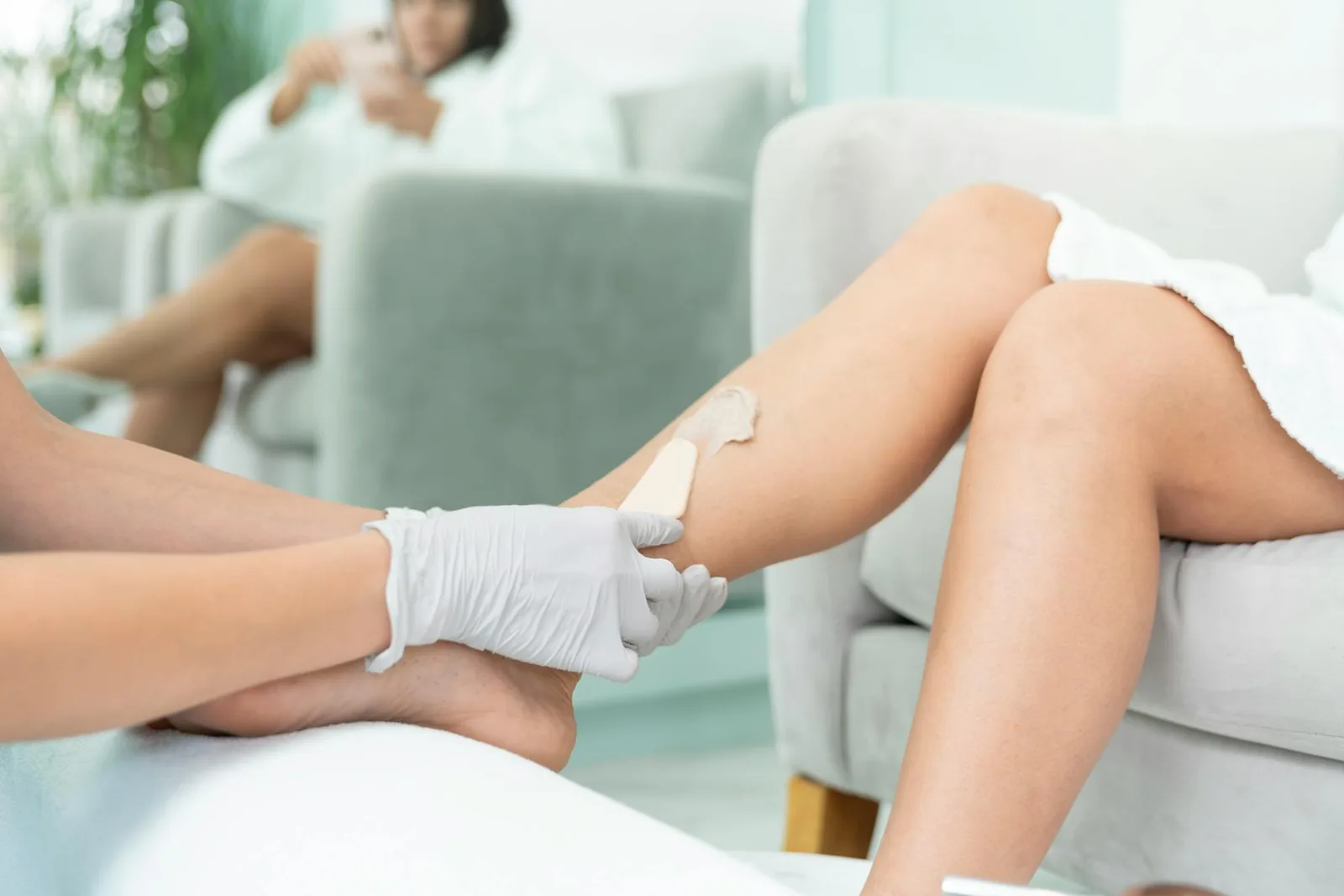
Hard wax (also called stripless wax) is applied a little thicker than soft wax, allowed to set for a few seconds, then peeled off in one piece — no strip required. The key property: it grips the hair, not the skin underneath. That's why it's the wax of choice for sensitive areas. It's also why hard wax appointments tend to feel less painful than the kind of waxing most people remember from years ago.
What soft wax is
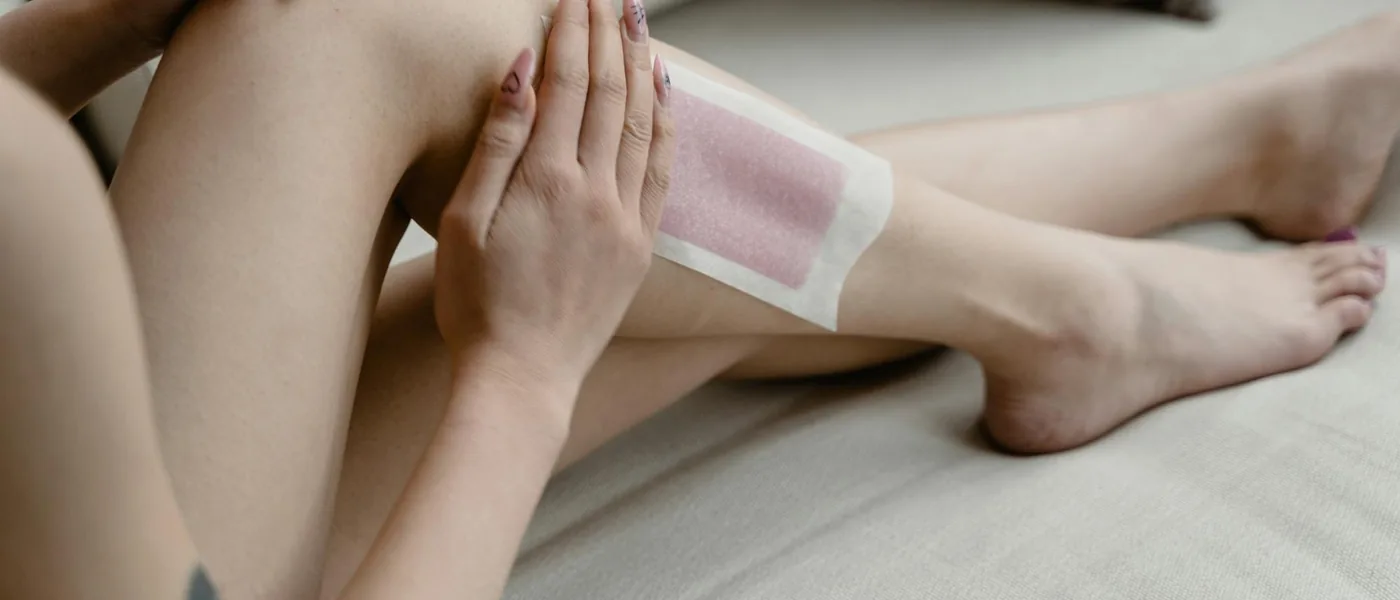
Soft wax (or strip wax) is applied as a thin layer and lifted off with a cotton or muslin strip. It grips both hair and the top layer of skin, which sounds bad but is actually useful — that grip lifts even very fine, fluffy hair that hard wax can sometimes miss. It also moves quickly, which makes it the right tool for full legs, full arms, full back and chest.
The body-area cheat sheet
Here's the quick answer for "which wax do I want?" — this is exactly how we choose at our Vaughan studio:
| Body area | Wax we use | Why |
|---|---|---|
| Brazilian / bikini line | Hard wax | Coarse hair, thin skin |
| Underarms | Hard wax | Sensitive, irregular skin |
| Upper lip / chin / cheeks | Hard wax | Reactive facial skin |
| Between the eyebrow | Hard wax | Precision near brow line |
| Inner thighs / bum cheeks | Hard wax | Sensitive folds & creases |
| Full / half legs | Soft wax | Speed across large area |
| Full / half arms | Soft wax | Fine hair, large area |
| Full / half back | Soft wax | Speed across large area |
| Chest / stomach | Soft wax | Even, fast removal |
The four exceptions worth knowing
1. Sensitive skin everywhere. If you have eczema, very reactive skin or you've had a bad experience with strip wax in the past, we'll switch to hard wax even on areas where soft wax would normally be faster — like legs and arms. The longer appointment is worth the trade.
2. Fine, fluffy hair. Vellus or peach-fuzz hair is soft wax's strength. Hard wax can leave behind hairs that soft wax catches, so we tend to default to soft wax in those cases.
3. Recent retinol use. If you've been using retinol or strong acids on the area in the last 5–7 days, hard wax — or sugaring — is the only safe option. Soft wax can lift the thinned surface skin and leave you with a real problem.
4. First time waxing. If this is your first wax ever and you're anxious, ask for hard wax even on areas where soft wax would be the technician's default. The gentler experience builds tolerance for next time.
The thing nobody tells you about pain
The wax type matters less than three other things: the technician's technique, your hair length, and where you are in your cycle. A skilled technician using soft wax can deliver a more comfortable experience than a rushed technician using hard wax. Hair that's a clean 1/4 inch long pulls cleanly; hair shorter than that fights the wax. And anyone who's been waxing for a few years knows the week before a period is the wrong week to book.
What you don't need to decide ahead of time
You don't actually need to specify hard or soft wax when you book at Veloura. We pick what's right for the area and your skin when you arrive — that's part of the appointment. If you have a strong preference, tell us; if you don't, we've got you. The pricing on our waxing services menu stays the same either way.
Still considering sugaring?
Hard wax and sugaring overlap heavily — both grip hair only, both work for sensitive areas, both are good Brazilian options. We compare them in detail in Sugaring vs Waxing in Vaughan. The short version: try one of each, then pick.